
Construction All Risks · CAR
Construction insurance for building, installation and refurbishment projects.
Cover for the works while a project is being built, refurbished or fitted out — from the first day on site to handover and the maintenance period.
The subject matter
Cover for as long as the works are being built.
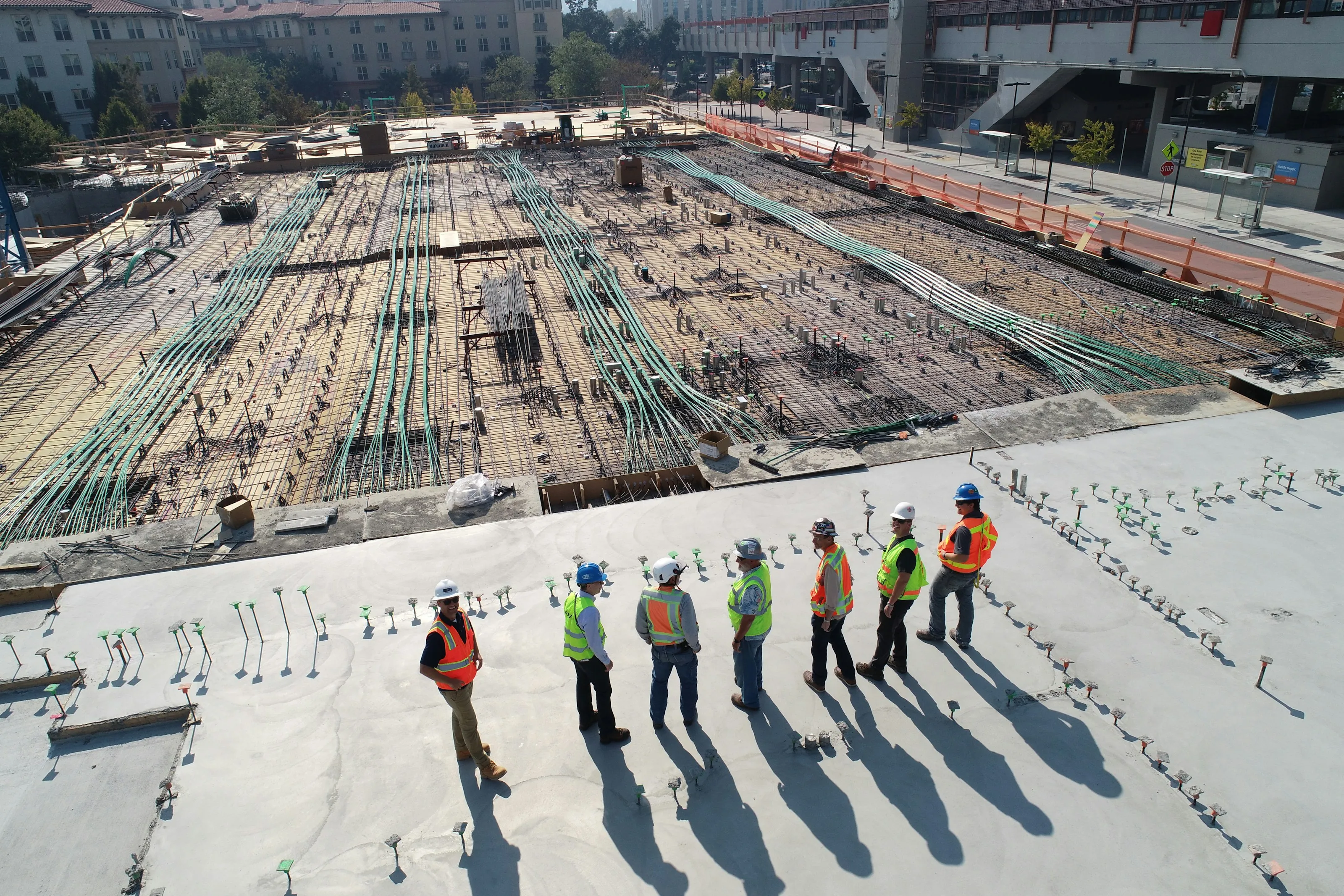
While construction lasts, a project is vulnerable in a way it never will be again: half-finished structures, plant in motion, crews and subcontractors on site, and the public passing just outside it. Construction All Risks insurance covers exactly that window.
It is project-specific cover: it starts and ends with the build programme rather than running as an annual company policy. That is why it is arranged, amended and extended alongside the construction contract itself.
The structure
Two sections, one policy.
CAR normally comes in two sections. The first covers the works themselves; the second covers the damage the works can do to everyone around them.
Where it applies
Project types and extensions.
The basic structure stays the same; what changes is which extensions genuinely make sense.
New build
The classic case: a building or infrastructure project, insured from excavation to handover.
Refurbishment and alteration
New works and an existing building sit side by side. The existing structure is not automatically covered: it has to be declared separately. This is one of the most frequently overlooked points on a refurbishment.
Fit-out
Interior fit-out in shops, offices and hotels, often inside a building that stays open and in use, and subject to the owner’s or the building manager’s own insurance requirements.
Erection All Risks (E.A.R.)
Installation and commissioning of mechanical and electrical plant. The testing period is treated separately and has to be declared up front.
Maintenance period
After handover, cover can extend into the contractual maintenance or defects liability period. Scope varies considerably between policies.
Plant and construction equipment
Cranes, excavators, scaffolding and tools can be covered as a separate section, on site and, depending on terms, away from it.
Subcontractors and co-insureds
Employer, main contractor and subcontractors can all be named on the policy as co-insureds. It is worth agreeing who goes on it before work starts, not after a claim.
The most common mistake
The sum insured is not the contract value.
It is the full cost of the completed works. Declare the contract sum instead and the project is underinsured — and the settlement follows that same proportion on every loss, however small.
It is the error we correct most often before a policy is issued.
The project ecosystem
Design, build, guarantee.
Three different covers at three stages. Construction All Risks is the middle one: it does not cover the design, and it does not replace the contractual guarantees.
- 01
Design & supervision
Liability for design, calculations and site supervision stays with the engineer and belongs under professional indemnity.
Professional liability for engineersThe designer - 02
Construction
The works under construction, the materials, the plant and site third-party liability. This page.
Request an assessmentThe works - 03
Guarantee capacity
Tender participation, performance, advance payments and maintenance are secured by surety bonds.
Surety bondsThe contract
The three are usually arranged separately, by different people. Looking at them together before the contract is signed is what closes the gaps.
To get started
What we need in order to quote.
- Type and description of the project
- Total value of the works on completionNot the contract sum: the sum insured has to reflect the full cost of the completed works, otherwise a claim can be reduced for underinsurance.
- ProgrammeCommencement date, duration and any testing or maintenance period.
- Location and surroundingsProximity to existing buildings, roads or sensitive installations.
- Existing property on siteFor refurbishment or fit-out, what is already there and what it is worth.
- Contracting partiesEmployer, main contractor and subcontractors to be included.
- Contractual insurance requirementsFrom the tender, the contract or the lender — we read them before the bid goes in.
Common questions
Worth knowing.
Who takes out the policy?
Usually the employer or the main contractor, depending on what the contract requires. What matters is who is named as insured and co-insured, because that determines who can claim under it.
Does CAR cover the design?
No. A claim alleging a design or calculation error falls under the engineer’s professional indemnity, which is an entirely separate policy. It is the most common misunderstanding in the sector.
What if the project runs late?
Cover runs for a defined period. Extensions and variations have to be recorded on the policy in good time, because work carried out after the period of insurance ends is not covered. Tell us as soon as the programme slips.
Related solutions
The rest of the picture.
Each answers a different question. We look at them together, so there are neither gaps nor overlaps.
- The opportunitySurety bondsAn additional source of guarantee capacity for tenders and contracts.
- The expertiseProfessional liabilityLiability for the services, design or advice the business provides.
- The operationCommercial general liabilityLiability to people affected by your day-to-day operations, premises and products.
- The whole pictureBusiness insuranceThe starting point: property, operations, liability, people and continuity as one.

The first conversation
Let us get the next project covered properly, from day one.
Send us the type, value and programme of the project and we will come back to you with the options.